

Looking Ahead to 4/20 2026: Flavor, Function & What’s Next for Infused Food & Beverage
4/20 has evolved into more than a holiday for infused botanicals and hemp-derived products. For many brands, it’s the culmination of a Q1 development cycle where new edibles, drinks, and infused foods hit shelves at once.
As more adults look for smoke-free ways to enjoy botanicals, infused products have to do two jobs:
- Deliver a reliable, predictable effect
- Taste like something people would choose even without the active ingredient
That’s where flavor and formulation strategy become just as important as potency.
Why 4/20 2026 Is a Turning Point
By 2026, most U.S. consumers with legal access will have seen infused gummies and drinks before. The novelty is wearing off; expectations are going up.
Three shifts are shaping Q1 2026:
- Sober-curious culture. More people are trading drinking for a low-dose seltzer or gummy.
- Wellness framing. Sleep, calm, and focus are now common product promises.
- Cross-category thinking. Brands are building platforms that work across edibles, beverages,Vapor Carts & Infused Botanicals and food, not just a single format.
With that backdrop, 4/20 becomes a moment to show where your brand sits on the spectrum from playful and nostalgic to functional and wellness-forward.
Edibles: From Single SKUs to Flavor Platforms
Gummies remain the workhorse, but the strategy behind them is changing.
Nostalgia, but Smarter
Nostalgic flavors are still powerful, think a Saturday-morning cereal bowl or a birthday-party dessert. Profiles like Lucky Cereal, Milk & Cookies, or Rainbow Sherbet immediately communicate comfort and familiarity, which helps newer consumers feel oriented.
Instead of one-off novelties, many teams are treating these as platforms:
- A breakfast-inspired gummy
- A matching vapor cart, infused botanicals or tincture
- A limited baked good for 4/20 week
When flavor scaffolding is consistent, it’s easier to expand the line without confusing customers.
Sour & “Ice”
Younger consumers skew toward high-impact taste. Sour and cooling profiles grab attention and help manage bitter notes from active ingredients.
A simple ladder might include:
- A citrus sour (lemonade or sour orange)
- A berry sour (a “sour candy” or sour cherry profile)
- A cooling variant like Berry Ice
Behind the scenes, many formulators lean on bitter management so these products stay intense but still enjoyable. A dedicated bitter blocker can make the difference between “wow” and “never again.”
Mood & Function
Effect-focused edibles are no longer niche. Pairing terpene architecture with flavor is one of the cleanest ways to communicate intent:
- Sleep: blueberry + lavender, or soft vanilla-spice
- Calm: pear + chamomile, or mixed berries with gentle botanicals
- Uplift: citrus, mango, or tropical punch
A strawberry lemonade gummy, for example, can be tuned with terpenes for a social “daytime” effect, while a blueberry muffin profile might pair better with sleep-oriented terpenes and minor cannabinoids. When you sketch your roadmap, it helps to literally map: flavor → effect story → terpene strategy.
Beverages: Seltzers, Mocktails & Everyday Rituals
Infused beverages sit where non-alcoholic cocktails, wellness drinks, and low-dose social rituals overlap.
Clean, Sessionable Seltzers
Most consumers start with what they already know: citrus, berry, and tropical seltzers. Water-soluble systems in lemon, lime, black cherry, or a nostalgic Bomb Pop-style profile make it easier to hit that target.
Mocktails Without the Hangover
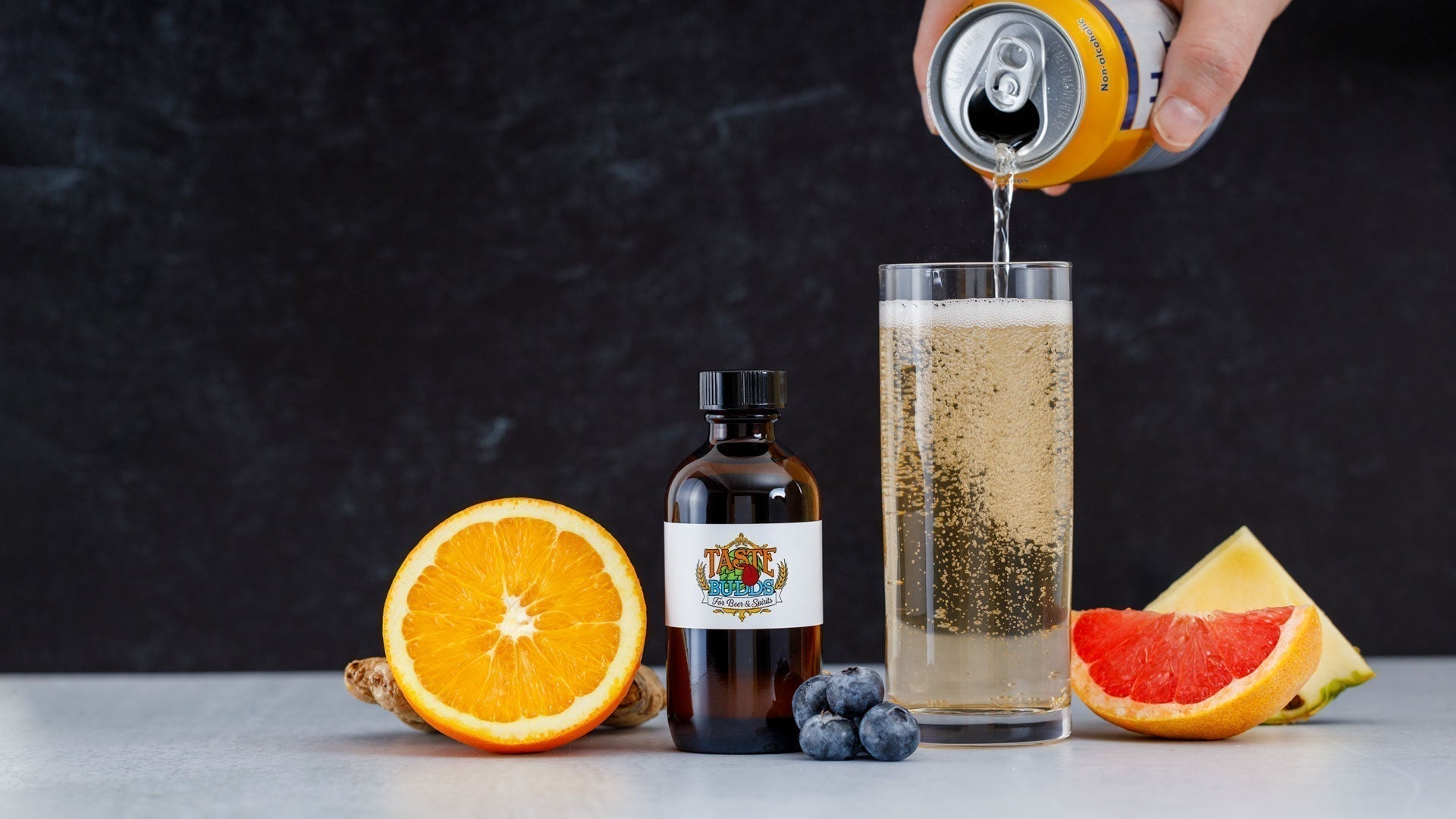
Zero-proof cocktails borrow from bar culture without the alcohol, and water-soluble flavors make them far easier to execute at scale:
- Paloma-style: a bright citrus base built from Lemon Water-Soluble and Lime Water-Soluble, with a light saline note
- Mojito-style: Garden Mint Water-Soluble + Lime Water-Soluble for a clean, herbal highball
- G&T–style spritz: Gin Water-Soluble paired with Lemongrass Water-Soluble or Lavender Water-Soluble for a modern twist
Balance matters more than shock value here. A non-alcoholic “espresso martini” with a gentle coffee profile and a small infused botanical dose, for example, can anchor an entire evening ritual for consumers who want a clear end to their day.
Tea, Botanicals & Daytime Use
RTD teas and botanical waters are becoming go-tos for daytime and wellness. Lavender, lemongrass, and mint work well in low-sugar formats and align naturally with terpene profiles aimed at calm, clarity, or focus. If your brand leans into wellness, this is a category to watch closely.
Culinary Formats: Infused Food Beyond Candy
There’s steady growth in culinary applications: sauces, glazes, dessert toppings, and snacks. These tend to echo mainstream food trends:
- Sweet-heat (mango + chili, hot honey)
- Comfort (maple, butterscotch, cinnamon sugar)
- Global influences (horchata, matcha, yuzu)
If you’re exploring this space, it often makes sense to start with flavors you already use in confections or drinks (like a matcha, horchata, or tropical passionfruit) and adapt the dose and format, rather than developing entirely new profiles just for the kitchen.
Designing a 4/20 2026 Flavor Map
When you zoom out, most successful Q1/4-20 lineups draw from a few shared territories:
- Nostalgia: cereal milk, donut, rainbow sherbet, cherry cola
- Wellness botanicals: lavender, mint, orange + ginger, lemongrass
- Sour/ice: tart berry, lemonade, blue raspberry ice
- Global & culinary: tropical passionfruit, matcha, yuzu
Now is the time to pressure-test your ideas, run flavors through different bases, see how they behave in gummies versus seltzers versus sauces, and find out where bitter blockers or water-soluble variants are non-negotiable.
The more intentional your flavor map is in Q1, the more 4/20 becomes a clear expression of your brand’s point of view instead of a last-minute scramble to keep up.


