

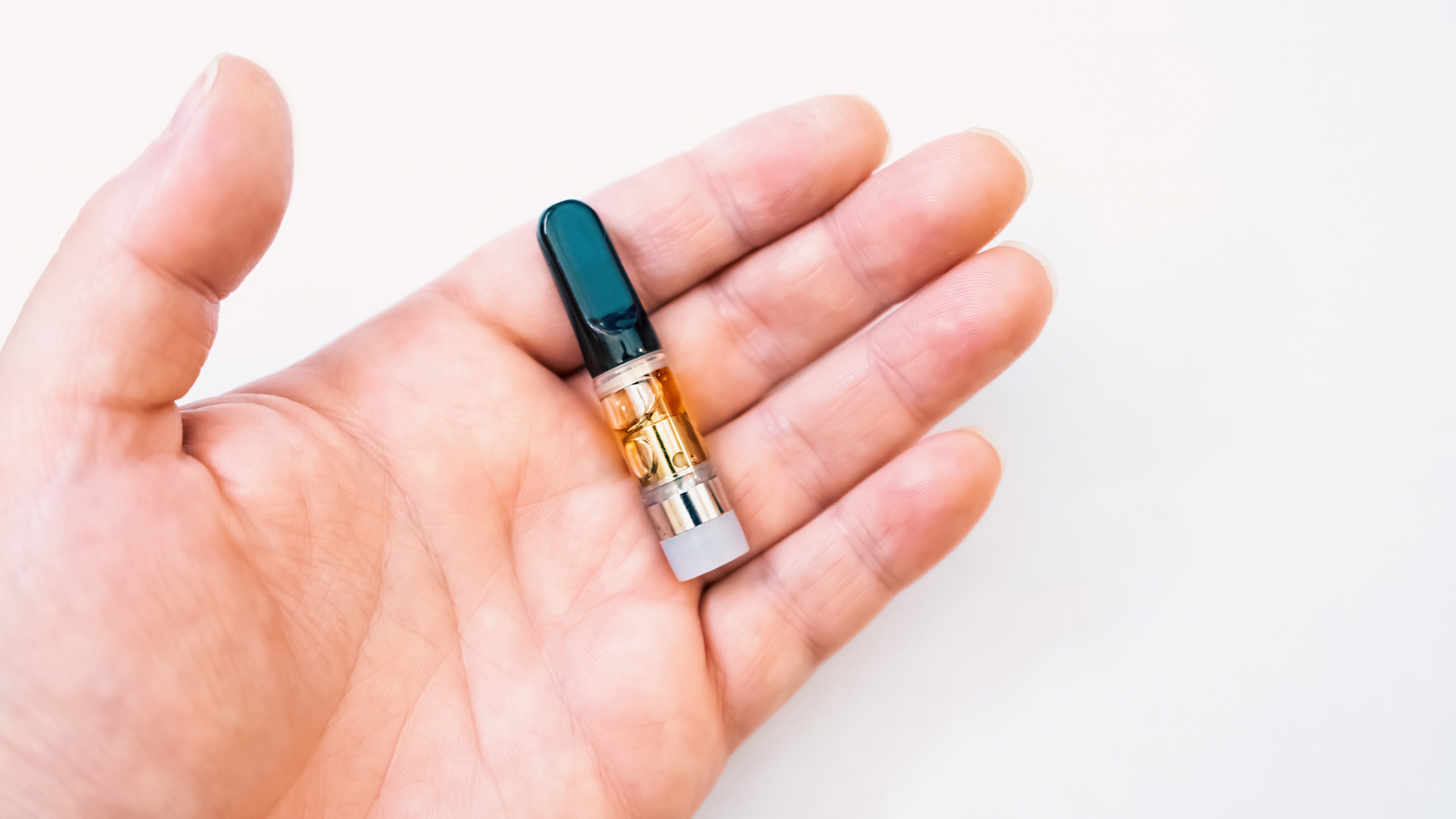
For manufacturers, 7/10 is more than a marketing event. It is a key planning window for vapor-compatible and concentrate-forward product formats.
Success depends on entering the season with a validated lineup, clear SKU strategy, and formulations that are ready to scale. During a high-demand sales window, product teams should prioritize repeatable flavor systems, consistent production processes, and a manufacturing plan built to protect performance across larger batch runs.
7/10 is a scale window. Effective plans are built around formulation readiness, SKU discipline, and production control before demand peaks.
What 7/10 Means for Manufacturers
For operators, 7/10 creates a specific kind of production pressure.
Manufacturers often plan around vapor formulations, concentrate-forward products, and high-impact flavor systems. Retailers are looking for strong sell-through. Production teams face larger batch volumes. Product managers have less room for underperforming SKUs, inconsistent sensory performance, or formulations that require too much troubleshooting.
7/10 requires a more operational approach than a typical limited-time product launch. The priority is having the right products ready at the right volume, with the right formulation controls in place.
A focused 7/10 plan should answer a few key questions before production ramps:
- Which SKUs are most likely to anchor repeat purchase?
- Which flavor systems can scale consistently across larger runs?
- Which profiles are familiar enough to drive confidence, but differentiated enough to stand out?
- Where should production focus be concentrated to avoid spreading capacity too thin?
The strongest lineups prioritize high-performing lanes, repeatable systems, and profiles that make sense for the format.
How to Build a High-Performance 7/10 SKU Strategy
A strong 7/10 lineup should be built around SKU discipline and production focus. Too many SKUs can dilute production capacity, complicate inventory planning, and make it harder to maintain consistency across batches.
For many manufacturers, the better approach is to build around two core product buckets: a strain-inspired core lineup and a high-impact Solvent Free Terpene Flavor (SFTF) lineup.
Strain-Inspired Profiles for Core 7/10 Lineups
Strain-inspired profiles work well as anchor SKUs because they are familiar, recognizable, and easy for retailers and product teams to position. These are the profiles that help create structure within a 7/10 assortment.
For live resin customers or brands building around cultivar-referenced sensory profiles, a focused lineup may include core options from our 710 Culture Collection, such as OG Kush #25, Wedding Cake, Blue Dream, Sour Diesel, and more.

These profiles serve a clear role: They provide recognizable sensory cues, give the lineup a stable foundation, and help manufacturers plan around a dependable product set for production, restocking, and scale.
The goal is to give product teams a tight group of core SKUs that can carry demand throughout the sales window.
High-Impact SFTF Profiles for Vapor-Compatible Products
Alongside strain-inspired profiles, high-impact SFTF profiles can help manufacturers build a more flavor-forward vapor-compatible lineup.
This is where proven sellers, seasonal favorites, and bold sensory systems can add energy to the assortment. Fruit-forward, citrus, tropical, dessert, and cooling profiles all have strong relevance in vapor-compatible formats, especially when they are built for clarity, repeatability, and formulation stability.
Examples may include high-recognition profiles like Terpaja Blast, Bomb Pop, Grape Stomper, Blueberry, Melon Gum, or other SFTF options that already have strong customer familiarity or seasonal relevance.
The key is to treat these as formulation systems, not just flavor names. A strong SFTF profile should deliver consistent sensory impact across production runs, maintain clarity in the finished format, and support a repeatable experience from batch to batch.
For 7/10, a practical lineup structure is to pair dependable strain-inspired anchors with a smaller set of high-impact, flavor-forward SKUs.

How to Scale 7/10 Production Without Compromising Performance
Higher demand changes the formulation challenge.
A profile that performs well in a small pilot run still needs to hold up under larger batch production. As volumes increase, small inconsistencies can become more visible. Mixing, temperature control, add-back accuracy, steeping time, and batch documentation all become more important.
For manufacturers, “stocking up” is also a formulation readiness decision.
Before scaling production for 7/10, teams should confirm:
- Flavor add-back rates are finalized and documented
- Mixing procedures are repeatable across operators and equipment
- Batch records include processing conditions, timing, and sensory notes
- Finished formulations have been evaluated after rest time, not just immediately after blending
- Profiles remain consistent across batch sizes
The same principle applies to promotions. A successful promotional push can quickly become a production problem if the formulation is not ready for increased demand. Larger batches should not introduce new variability, harshness, muted flavor, or inconsistent aroma delivery.
Scaling well means protecting the experience that made the product worth scaling in the first place.
Best Flavor Systems for 7/10 Product Lineups
Effective 7/10 flavor strategies often combine familiarity with impact.
High-impact fruit profiles work because they are easy to understand and often deliver strong sensory payoff in vapor-compatible formulations. Berry, citrus, tropical, and candy-inspired systems can help create immediate recognition while still leaving room for brand personality.
Sweet and nostalgic profiles can also perform well when they are balanced correctly. These systems offer familiarity, but they need enough formulation control to avoid becoming flat, overly sweet, or muddled in the finished format.
Strain-inspired classics serve a different purpose. They provide structure, credibility, and a familiar baseline for customers who want recognizable terpene-forward experiences rather than purely flavor-led profiles.
A balanced 7/10 assortment may include three core lanes:
- High-impact fruit for bold seasonal appeal
- Sweet or nostalgic systems for differentiation and recognition
- Strain-inspired classics for dependable core volume
The common thread is performance. Flavor systems should be selected based on how well they deliver in the application, how consistently they scale, and how clearly they support the intended product experience.
What Manufacturers Should Avoid Before 7/10
Even well-planned 7/10 lineups can run into issues when teams make late-stage decisions that add complexity to production.
Avoid over-expanding SKU count. A larger menu is not always a stronger menu. Too many SKUs can create production strain, inventory complexity, and uneven sell-through.
Avoid launching untested formulations. 7/10 is not the moment to discover that a profile needs more development time, better balance, or additional stability testing.
Avoid last-minute formulation changes. Even small adjustments can affect flavor delivery, aroma, or consistency across batches. If changes are necessary, they should be validated before moving into full production.
Avoid overcomplicating flavor systems. Many effective seasonal SKUs are built around clear, recognizable profiles. Complexity should support the experience, not make the formulation harder to produce or harder to understand.
Avoid treating flavor as separate from operations. Flavor selection affects production planning, batch consistency, quality control, and repeat purchase. It should be part of the manufacturing strategy from the beginning.
Build Your 7/10 Lineup Before the Rush
Winning 7/10 starts with preparation.
Manufacturers need SKUs that are easy to position, formulations that are ready to scale, and flavor systems that can perform under higher production pressure. The best lineups are focused, validated, and built around the realities of the format.
For many teams, that means anchoring the assortment with familiar strain-inspired profiles, adding a focused set of high-impact SFTF options, and pressure-testing the full lineup before demand peaks.
7/10 favors brands that can move quickly while maintaining control. With the right formulation strategy, production planning, and SKU discipline, manufacturers can build a lineup that performs through the season.
Get Your 7/10 Lineup Production-Ready
Extract Consultants works with manufacturers to build flavor systems and formulation strategies that hold up under high-demand production windows.
Connect with our team to pressure-test your 7/10 lineup before production ramps.


